
Key Facts at a Glance
| Criterion | Information |
|---|---|
| Top procedures for international patients | Implants, porcelain crowns, veneers, whitening, full-mouth restoration |
| Verified implant survival rate | ~95% at 5 years; ~90 – 95% at 10 years — ITI Consensus / PubMed |
| Average veneer lifespan | 10 – 15 years with proper care — Cleveland Clinic |
| Estimated cost savings vs USA/Australia | 50 – 80% on most major procedures |
| Infection control benchmark | CDC Guidelines / EN 13060 Class B Autoclave standard |
| Dentist license verification | Vietnam Ministry of Health license registry |
| Internationally used material brands | Straumann, Nobel Biocare, Osstem, Ivoclar e.max, Vita Zahnfabrik |
| Minimum stay required | 1 day (whitening) · 5 – 7 days (crowns/veneers) · 2 trips (implants) |
Why International Patients Choose Vietnam for Dental Care?
Vietnam is a clinically validated destination for dental care when you choose a properly licensed clinic. Leading practices in Ho Chi Minh City use international brand materials (Straumann, Ivoclar e.max, Nobel Biocare), follow CDC-level infection control protocols, and employ dentists with internationally recognized credentials. Patients routinely save 50 – 80% compared to USA or Australian prices without compromising on clinical outcome.
The rise of vietnam dental care as an internationally recognized option is driven by a combination of factors that extend well beyond price. The convergence of internationally trained clinicians, globally sourced premium materials, modern digital imaging technology, and a regulatory framework increasingly aligned with international healthcare standards makes vietnam dental a compelling choice for patients from Australia, the United States, the United Kingdom, Canada, and across Asia.
- Cost savings that are structurally sustainable: Unlike destinations where low prices reflect compromised inputs, Vietnam's dental cost advantage stems from significantly lower overhead — real estate, operational labor, and administrative costs — rather than lower material quality. A single Straumann SLActive implant (manufactured in Switzerland to the same specification globally) costs a Vietnamese clinic far less to procure than it costs a US practice, because the surrounding cost infrastructure is a fraction of the price. This structural difference is permanent, not a promotional discount.
- Internationally trained dentists: Many Vietnamese dentists completing specialist training in prosthodontics, implantology, and cosmetic dentistry have done so at institutions in France, Germany, the United States, South Korea, and Japan. Clinical postgraduate education at the University of Medicine and Pharmacy Ho Chi Minh City is aligned with international curricula. Membership in organizations such as the International Congress of Oral Implantologists (ICOI) and the International Team for Implantology (ITI) is increasingly common among senior clinicians at premium dental centers.
- Modern diagnostic and treatment technology: Leading dental clinic Vietnam practices have invested in the same diagnostic and production technology used in Western markets: Cone Beam CT (CBCT) 3D imaging for implant planning, 3Shape TRIOS or Carestream intraoral scanning, CAD/CAM milling systems for same-day or 48-hour crown and veneer production, and Digital Smile Design (DSD) software for predictable aesthetic outcomes. This infrastructure is now standard at internationally oriented dental center Vietnam practices.
Vietnam vs other dental tourism destinations
| Factor | Vietnam (HCMC) | kok) | Philippines (Manila) |
|---|---|---|---|
| Average implant cost (Straumann) | USD 1,000 – 1,600 | USD 1,800 – 3,000 | USD 1,500 – 2,500 |
| English language support | Good (top clinics) | Good (Bangkok) | Excellent |
| CBCT + CAD/CAM availability | Standard at top clinics | Standard at top clinics | Variable |
| Average wait for appointment | 1 – 3 days | 2 – 5 days | 2 – 5 days |
| Visa ease for Australians | E-visa / 45-day visa-free | 30-day visa-free | 30-day visa-free |
| Tourism and recovery appeal | Ha Long Bay, Hoi An, Mekong | Beaches, temples | Islands, diving |
Note: Costs are approximate 2026 market ranges. Individual pricing depends on material grade, case complexity, and clinic tier. Confirm directly with your chosen clinic before committing.
Is Vietnam Good for Dental Work?
Yes — Vietnam is genuinely good for dental work at properly licensed, internationally oriented clinics. The critical qualifier is verification: the best Vietnamese dental clinics use the same implant systems, ceramic materials, and sterilization standards as top Western practices. The risk exists at unverified clinics that prioritize price over protocol. The 7-point verification framework below eliminates that risk.
What International Standards Actually Require?
The American Dental Association's MouthHealthy resource on dental care abroad notes that the Organization for Safety and Asepsis Procedures (OSAP) emphasizes that "the decision to visit another country for dental care should go beyond simply comparing prices or even evaluating the dentists' expertise.
Countries differ in their standards for infection control and safety." (mouthhealthy.org) This is the correct framework — not a blanket endorsement or blanket rejection of overseas dental care, but a call for evidence-based verification at the clinic level.
The US Centers for Disease Control and Prevention (CDC) publishes comprehensive guidelines for infection control in dental health-care settings, covering sterilization, water safety, personal protective equipment, and biomedical waste disposal.
These guidelines are used as a benchmark by internationally oriented dental clinics in Vietnam and are verifiable during a pre-treatment clinic visit or online consultation. The European equivalent, EN 13060, specifies Class B autoclave sterilization — the gold standard for dental instrument sterilization, capable of penetrating hollow-load and porous instruments. Clinics meeting this standard eliminate the risk of cross-contamination between patients.
Material Traceability: The Verification That Matters Most
The quality of dental materials is identical regardless of where they are used, provided the material is genuine and properly sourced. Straumann titanium implants manufactured in Basel, Switzerland carry the same clinical performance specifications whether placed in Zurich or Ho Chi Minh City. Ivoclar Vivadent IPS e.max Press ceramic, manufactured in Liechtenstein, has the same flexural strength (≥400 MPa per ISO 6872) in a Vietnamese CAD/CAM lab as in a German one. The verifiable question is not "are the materials Vietnamese?" but "are the materials traceable to their international origin?"
Reputable dental in vietnam practices will provide certificates of origin for implant fixtures, abutments, and ceramic blanks on request. If a clinic is unwilling to identify the specific material brand and country of manufacture, this is a significant red flag.
Licensed Vietnamese Clinics and Certification Standards
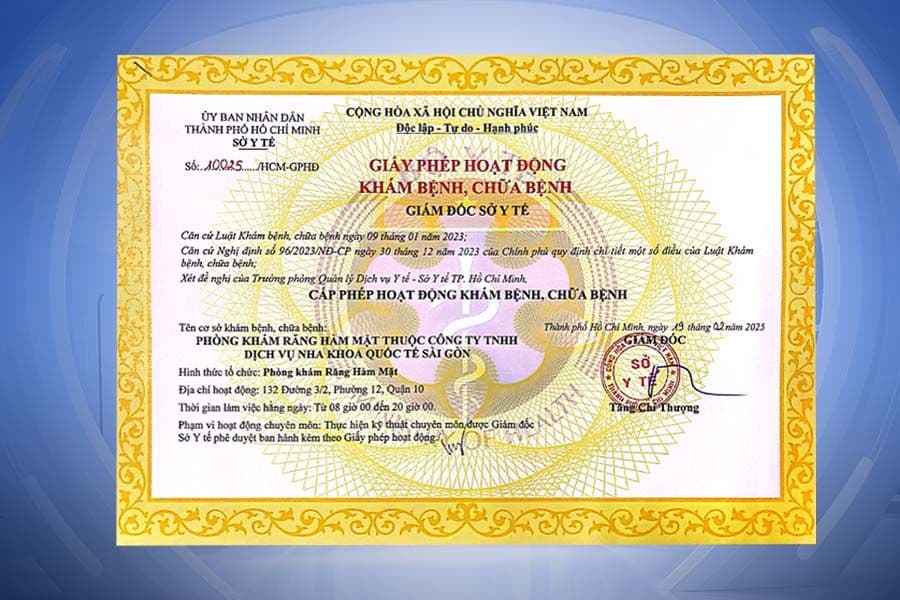
Vietnam's Ministry of Health (MoH) requires that all dental facilities hold an operating license issued by the provincial Department of Health. Individual dentists must hold a valid practicing certificate registered with the MoH. These documents are legally required to be displayed at the clinic premises and are verifiable through official channels.
At Saigon International Dental (Nha Khoa Quốc Tế SG), located at 132 3/2 street, Hoa Hung district, Ho Chi Minh City, the clinic operates under full Ministry of Health licensing and follows international dental care standards designed to serve both Vietnamese and international patients.
7-Point Verification Checklist for International Patients
| What to Verify | How to Check | |
|---|---|---|
| 1 | Valid Ministry of Health operating license | Request to see the physical document at the clinic |
| 2 | Individual dentist's practicing certificate | Ask the dentist's name and confirm license number with clinic |
| 3 | Class B autoclave sterilization (EN 13060) | Ask specifically; request documentation |
| 4 | Implant brand + country of manufacture | Request the implant box, batch certificate, or certificate of origin |
| 5 | Ceramic material brand and grade | Ask which lab produces the crowns/veneers and which blank system is used |
| 6 | CBCT 3D imaging available for implant planning | Confirm during pre-consultation |
| 7 | Written warranty with specific terms | Obtain in writing before any procedure |
Vietnam Dental Costs
Vietnam dental costs are 50 – 80% lower than in the USA or Australia for equivalent procedures using the same international material brands. A Straumann implant in Vietnam runs approximately USD 1,000 – 1,600, versus USD 3,000 – 6,000 in the USA. A full set of zirconia crowns for a complete arch costs approximately USD 2,400 – 6,000, versus USD 15,000 – 40,000 in the USA.
Vietnam Dental Costs vs International Benchmarks (2026 Estimates)
| Procedure | Vietnam (USD) | USA (USD) | Australia (USD) | Approximate Saving |
|---|---|---|---|---|
| Single Dental Implant (Straumann) | 1,000 – 1,600 | 3,000 – 6,000 | 3,500 – 8,000 | 55 – 80% |
| Single Dental Implant (Osstem/Korean) | 600 – 900 | 2,500 – 4,000 | 2,500 – 5,000 | 60 – 80% |
| Porcelain Crown (Zirconia) | 150 – 400 | 800 – 1,500 | 1,000 – 1,800 | 55 – 80% |
| Porcelain Crown (e.max) | 250 – 500 | 1,000 – 2,000 | 1,200 – 2,200 | 55 – 80% |
| Porcelain Veneer (e.max) | 200 – 500 | 900 – 2,500 | 1,200 – 2,000 | 55 – 80% |
| Teeth Whitening (in-office laser) | 100 – 200 | 500 – 1,000 | 600 – 1,200 | 70 – 80% |
| Full-arch crown restoration (16 teeth) | 2,400 – 6,000 | 15,000 – 40,000 | 18,000 – 45,000 | 75 – 85% |
| All-on-4 Implant Arch | 4,000 – 8,000 | 20,000 – 40,000 | 25,000 – 50,000 | 70 – 80% |
| Scaling and Deep Cleaning | 40 – 80 | 200 – 400 | 200 – 500 | 70 – 80% |
| Orthodontics (Invisalign) | 2,000 – 4,000 | 4,500 – 8,500 | 6,000 – 10,000 | 40 – 60% |
Prices are approximate 2026 market ranges across internationally oriented dental clinic Vietnam practices. Actual pricing depends on material tier, case complexity, number of visits, and clinic. Always request a written treatment plan with itemized costs before committing to any procedure.
Costs to Budget for Beyond the Procedure
Many patients focus on the procedure cost alone. A realistic budget for dental in Vietnam should also include:
- CBCT 3D scan (typically USD 30 – 80, sometimes included in the consultation): essential for implant planning and not always included in quoted implant prices.
- Bone graft (USD 200 – 600 per site if bone volume is insufficient): only needed in specific cases, but should be discussed in the pre-treatment plan.
- Second trip flights and accommodation: implants require two visits 3 – 6 months apart. Budget the travel cost of the second trip when calculating total savings.
- Travel insurance with dental emergency coverage: reviewed further in the FAQ section below.
Most Popular Dental Procedures for International Patients
Dental Implants
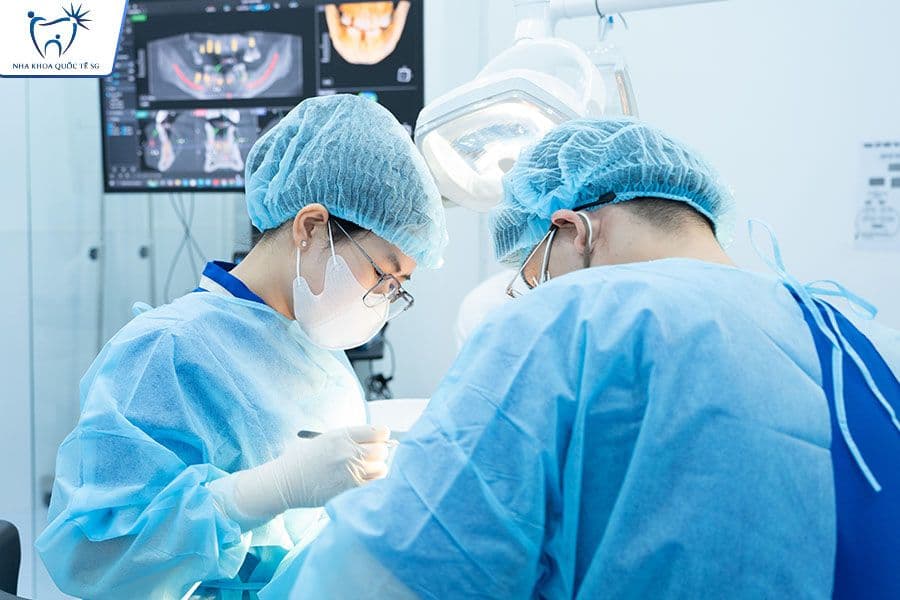
Dental implants are the most sought-after procedure among international patients visiting vietnam dental clinic practices, primarily because the cost differential versus home-country pricing is most dramatic for implants and the clinical outcome is identical when the same implant systems are used.
The International Team for Implantology (ITI), the world's largest academic association for implant dentistry, publishes evidence-based consensus data on implant survival rates. According to the ITI Consensus Report on implant survival and complications, the cumulative survival rate of oral implants supporting fixed prostheses is 95.4% after 5 years of function and 92.8% after 10 years of function across prospective cohort studies. (ITI Consensus Database, academy.iti.org) Additional PubMed-indexed research confirms that the long-term survival rate of dental implants in healthy individuals is "around 90 – 95% over a 10-year period." (NCBI PMC10558417)
These survival rates are achieved with properly placed implants using clinically validated systems — the same systems available at top dental center Vietnam practices. The implant brand and placement precision matter far more than the country of treatment.
Implant treatment timeline:
- Trip 1 (3 – 5 days in Vietnam): consultation + CBCT scan + implant surgical placement + temporary restoration
- Healing phase (3 – 6 months at home): osseointegration — the titanium fixture fuses biologically to the jawbone
- Trip 2 (2 – 3 days in Vietnam): final crown placement, bite adjustment, aftercare instructions
Immediate-load implants (same-day teeth) are available in select cases where bone quality and quantity allow, reducing the need for a second trip. Your dentist must assess eligibility via CBCT before committing to this protocol.
Porcelain Veneers
According to Cleveland Clinic, dental veneers are "custom-made shells that fit over the front surfaces of your teeth" and "conceal cracks, chips, stains and other cosmetic imperfections."There are several types: porcelain (traditional), composite resin, no-prep or minimal-prep, and removable. For international patients seeking dental care in Vietnam, porcelain veneers — particularly those made from IPS e.max (lithium disilicate ceramic manufactured by Ivoclar Vivadent, Liechtenstein) — are the most commonly requested option.
Cleveland Clinic confirms that porcelain veneers have a lifespan of 10 to 15 years with proper care, making them a long-term investment rather than a short-term cosmetic fix. (Cleveland Clinic, ibid.) The procedure typically requires two visits: one for tooth preparation and impression, and one for final bonding. With CAD/CAM technology, some clinics can reduce this to 5 – 7 days in a single Vietnam trip.
Key clinical considerations for veneers:
- Veneers are appropriate only for patients free of extensive cavities and active gum disease. (Cleveland Clinic) Periodontal health must be established before cosmetic treatment.
- Porcelain veneers require removal of a thin layer of enamel — this process is largely irreversible.
- No-prep veneers still require some minimal enamel reduction and are suitable only for specific cases.
- Porcelain veneers resist staining better than natural enamel, but dark-coloured beverages (coffee, red wine, tea) can cause discoloration over time.
Porcelain Crowns
Porcelain crowns cover the entire tooth structure and are used when a tooth is significantly damaged by decay, fracture, or trauma — or as the restoration component of a dental implant. The distinction from a veneer is clinical: as Cleveland Clinic notes, "a dental crown covers the entire tooth structure to add strength and protection," while "a veneer only covers the front surface." (Cleveland Clinic, ibid.)
Zirconia crowns have become the standard of care in vietnam dental care for both posterior and anterior teeth. Monolithic zirconia (sintered zirconium dioxide ceramic) offers flexural strength of 700 – 1,200 MPa depending on the generation, making it highly resistant to fracture. Multi-layered translucent zirconia (4th generation) combines this strength with the aesthetic translucency required for front teeth. e.max lithium disilicate crowns (flexural strength ~400 MPa) are preferred for anterior teeth where maximum translucency and color matching are the priority.
Teeth Whitening
Professional in-office laser whitening or light-activated whitening delivers 4 – 8 shade improvement in a single 60 – 90 minute session. The ADA MouthHealthy resource notes that "the safety and effectiveness of these systems is backed by clinical research and is endorsed by all dental associations" but that whitening is not recommended for pregnant or lactating mothers. (ADA MouthHealthy, mouthhealthy.org/all-topics-a-z/travel) At USD 100 – 200 per session in Vietnam versus USD 500 – 1,000 in the USA, teeth whitening is one of the most cost-efficient procedures for dental tourists.
Procedures by Trip Length
| Trip Length | Suitable Procedures |
|---|---|
| 1 day | Consultation + X-rays · Scaling/deep cleaning · Teeth whitening |
| 3 – 5 days | Composite bonding · Porcelain crown (CAD/CAM same-day) · Veneer prep + provisional |
| 5 – 7 days | Full veneer set (6 – 12 teeth) · Full crown set · Smile makeover (crowns + veneers) |
| 2 trips (3 – 6 months apart) | Standard dental implant protocol · All-on-4 / All-on-6 full arch |
How to Choose the Right Dental Clinic in Vietnam
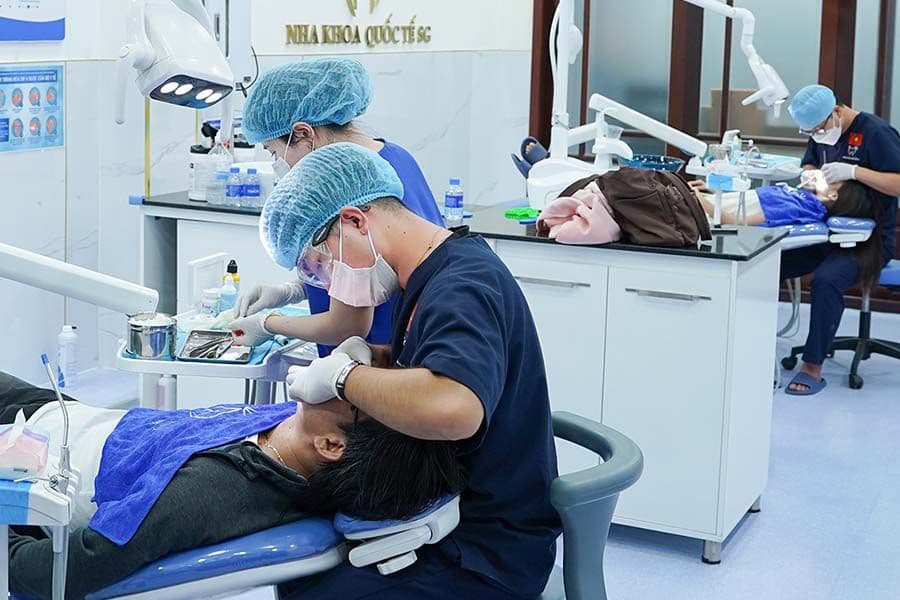
Choose a dental clinic in Vietnam by verifying: Ministry of Health operating license, individual dentist practicing certificate, Class B sterilization protocol, traceable international material brands (Straumann, Nobel Biocare, e.max), CBCT imaging, and a written warranty. Do not base your decision on price alone or on unverifiable marketing claims.
The 7-Step Verification Process
- Step 1 — Confirm Ministry of Health licensing. Every legally operating dental facility in Vietnam must display its (operating license) at the clinic. Ask to see this document. The license specifies permitted procedures and must be current.
- Step 2 — Verify the treating dentist's individual practicing certificate. In Vietnam, dentists are individually licensed, not just clinics. Ask for the dentist's name and confirm their Chứng chỉ hành nghề is current and matches the treatment you are receiving.
- Step 3 — Ask specifically about sterilization protocol. Request confirmation that the clinic uses Class B autoclave sterilization (EN 13060 standard) for all handpieces, scalers, and surgical instruments. Single-use instruments should be used for high-risk items. The clinic should be willing and able to answer this question without hesitation.
- Step 4 — Obtain material certificates of origin. For implants: ask which brand, which specific model, and which country of manufacture. For ceramics: ask which blank system (Straumann CARES, 3M Lava, Ivoclar e.max, Kuraray Katana) is used and where the dental lab producing your restorations is located.
- Step 5 — Confirm CBCT 3D imaging is available. Dental implant planning without 3D CBCT imaging is a clinical risk. The scan reveals bone volume, sinus proximity, nerve location, and blood vessel position — none of which are visible on standard 2D X-rays. This is non-negotiable for implant treatment.
- Step 6 — Request a written treatment plan with itemized costs. A reputable dental clinic Vietnam will provide a written plan detailing every procedure, the specific materials to be used, the total cost, the payment schedule, and the warranty terms before any treatment begins.
- Step 7 — Obtain written warranty terms. Premium clinics offer lifetime warranties on properly maintained implants and 5 – 10 year warranties on crowns and veneers. Confirm exactly what is covered, what voids the warranty, and whether remote consultation is available if complications arise after you return home.
Red Flags to Walk Away From
- No displayed operating license or resistance to showing credentials
- Refusal to identify the specific implant brand or material supplier
- Implant prices significantly below USD 600 (at this price point, premium international brand implants are not financially viable)
- No CBCT imaging available for implant cases
- No written warranty or verbal-only warranty promises
- Extreme pressure to begin treatment immediately without a written plan
Risks and How to Protect Yourself
Dental treatment in Vietnam carries the same clinical risks as dental treatment anywhere — implant failure, crown debonding, infection, or aesthetic dissatisfaction. Evidence shows these risks are primarily driven by case selection, material quality, and clinical skill — not geography. Verified clinics using international-grade materials and protocols deliver outcomes comparable to Western practices.
Implant Survival: What the Evidence Shows
The ITI Consensus Report confirms a cumulative implant survival rate of 95.4% after 5 years and 92.8% after 10 years for implants supporting fixed prostheses. (ITI Consensus Database) These figures represent outcomes across clinical studies conducted globally, with ITI-certified implant systems. Importantly, a 10-year study published in PubMed found the survival rate was 95.4% for hollow-screw design ITI implants at 10 years. (PubMed PMID 14731173)
The implication is straightforward: implant failure rates of 5 – 8% over ten years are an inherent feature of the treatment — not a Vietnam-specific risk. The dominant risk factors for implant failure are poor bone quality, uncontrolled systemic conditions (unmanaged diabetes, smoking, bisphosphonate use), and inadequate osseointegration time — all of which are case-selection and protocol factors, not geography factors.
Most Common Complications and Prevention
- Osseointegration failure (implant not integrating with bone): Primary risk factors are smoking, uncontrolled diabetes, insufficient bone volume, and inadequate healing time. Disclose your complete medical history and current medications before treatment. Allow the full recommended osseointegration period (3 – 6 months for standard protocol) before the final crown is placed.
- Crown or veneer debonding: Can occur due to excessive bite force, bruxism (grinding), or inadequate cementation. A night guard is recommended for patients with bruxism. Inform your dentist if you grind your teeth.
- Post-operative infection: Rare with proper sterilization protocol and post-operative antibiotics (where clinically indicated). The American Academy of Periodontology (AAP) guidelines confirm that rigorous plaque control and professional maintenance are critical for long-term implant health. (perio.org)
- Aesthetic dissatisfaction: Preventable through Digital Smile Design (DSD) simulation before treatment begins. Request a digital mock-up or wax-up before committing to a full veneer or crown set.
Protecting Yourself: What to Confirm Before You Leave
Before returning home after dental treatment in Vietnam:
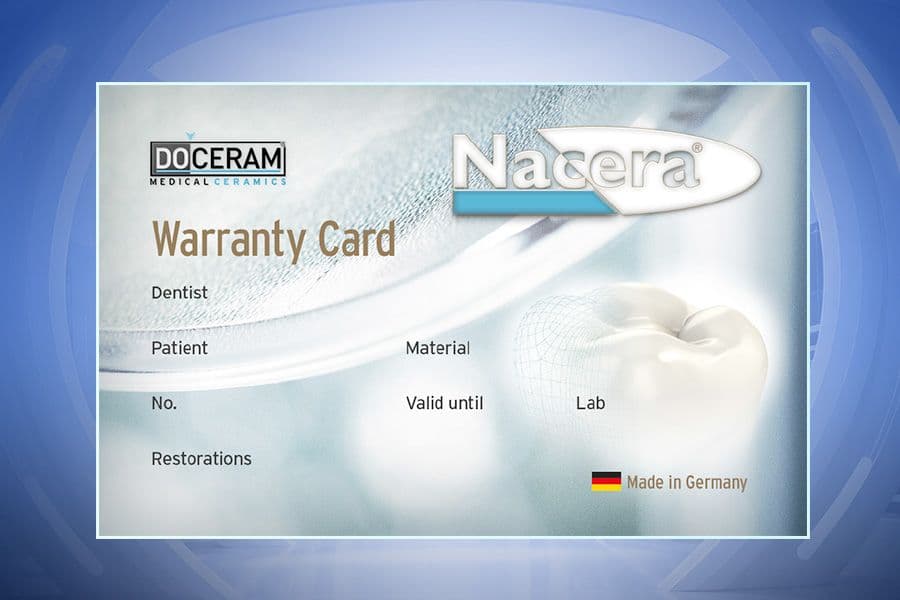
- Obtain a written warranty document specifying coverage period, covered complications, and the process for remote consultation or repair.
- Request a full copy of your treatment records: X-rays (digital copies), treatment plan, material certificates, post-operative instructions.
- Confirm the clinic's remote consultation procedure: Email, WhatsApp, Zalo — what happens if you have a question or concern two months after your return?
- Identify a local dentist at home who you can visit for follow-up care. The International Association for Medical Assistance to Travellers (IAMAT) maintains a network of vetted medical and dental personnel globally who can provide follow-up care for patients who have received treatment abroad. (iamat.org)
Saigon International Dental in Vietnam
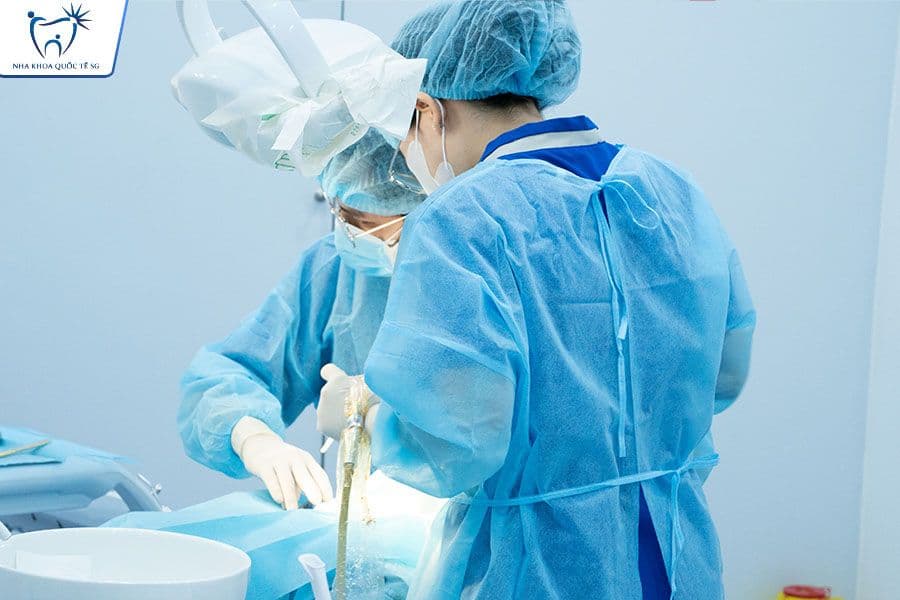
For international patients seeking dental care in Vietnam who want a clinic in Ho Chi Minh City that combines international communication standards, Ministry of Health licensing, and a full range of dental services, Saigon International Dental (Nha Khoa Quốc Tế SG) is a dedicated practice located in the Hòa Hưng Ward of District 10 — a central, accessible district for international visitors to Ho Chi Minh City.
The clinic was established with a specific focus on international standard vietnam dental care and serves both Vietnamese and international patients across a full spectrum of dental services — from routine scaling and general dentistry to restorative, cosmetic, and implant treatments. English-language support is available across the patient journey.
Why International Patients Choose Saigon International Dental
- Location: 132 Đường 3/2, Phường Hòa Hưng, Ho Chi Minh City — centrally located in District 10, accessible from major accommodation districts and with easy access from Tân Sơn Nhất International Airport.
- Operating hours: 8:00 AM – 7:00 PM, Monday through Sunday — including weekends, which is a critical convenience for dental tourists working within compressed travel schedules.
- International communication: English-language consultation available via phone, email, and messaging platforms, enabling remote treatment planning before patients travel.
Book a Free Consultation
Saigon International Dental — Nha Khoa Quốc Tế SG
📍 132 Đường 3/2, Phường Hòa Hưng, TP. Hồ Chí Minh
📞 (+84) 902 759 406 · (+84) 396 877 518
📧 sgnhakhoaquocte@gmail.com
🌐 nhakhoaquoctesg.vn
▶️ youtube.com/@sgdental.official
⏰ Open daily: 8:00 AM – 7:00 PM · Monday – Sunday