
A cosmetic dental crown is a custom-made restoration that covers and protects a weakened, heavily restored, worn, or visibly damaged tooth. Modern crowns are planned to balance strength with a natural appearance. The best result is not simply the whitest tooth; it is a restoration that fits the smile, bite, gum line, and surrounding teeth.
When a crown may help
Crowns can restore a tooth that has lost substantial structure through decay, fracture, wear, or a large filling. They may also improve the shape or colour of a tooth when more conservative options are not suitable. The dentist first checks whether a filling, inlay, onlay, veneer, or orthodontic adjustment could solve the problem with less tooth preparation. A crown is recommended only when it offers a sound functional and aesthetic benefit.
Designing a natural appearance
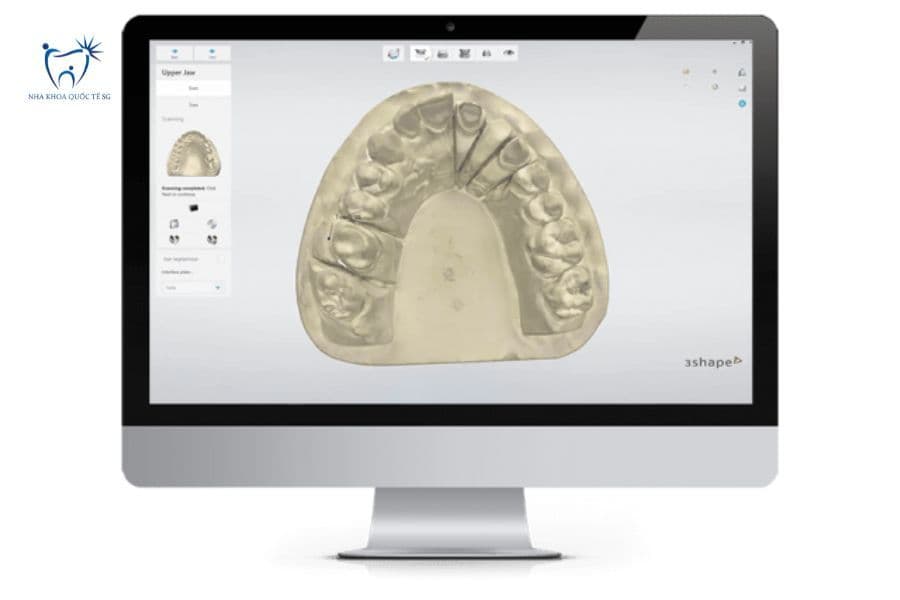
The shade, translucency, surface texture, width, length, and contact points are planned together. Facial proportions, the gum line, lip movement, and the colour of adjacent teeth all influence the design. Photographs, scans, shade records, and communication with the dental laboratory help the team create a crown that belongs in the smile rather than looking like an isolated white shape.
The appointment sequence
At the preparation visit, the tooth is shaped conservatively and the dentist records the details needed for the final restoration. A temporary crown protects the tooth while the laboratory completes the permanent one. At the fitting visit, the dentist checks the contacts, margins, colour, bite, and appearance from different angles before bonding or cementing the crown. Small adjustments are made so the restoration feels comfortable when speaking and chewing.
Caring for a crown
A crown still needs the same daily care as a natural tooth. Brush twice a day with fluoride toothpaste and clean carefully between the crown and neighbouring teeth. Avoid using the crown to open packaging or bite very hard objects. If you clench or grind, a protective night guard may reduce stress. Regular examinations allow the dentist to check the crown, gum health, bite, and the tooth underneath.
Setting realistic expectations
Crowns can improve shape, colour, and confidence, but they are not permanent in the sense of lasting forever without maintenance. Their lifespan depends on oral hygiene, bite forces, diet, habits, and the condition of the supporting tooth. A consultation should include the benefits, limitations, alternatives, maintenance, and any treatment needed before the crown is made.
Practical takeaways
- Book an assessment so the recommendation is based on your teeth, gums, health history, and goals.
- Follow the personalised aftercare and maintenance instructions provided by the dental team.
- Contact the clinic if pain, swelling, sensitivity, or another symptom does not improve as expected.
A well-designed crown should look integrated, feel comfortable, and protect the tooth beneath it. Careful planning around the smile and bite is the foundation of a successful cosmetic result.